Nourish your body well without cutting out food you love or worrying about calories
.
You don’t need fancy “superfood” ingredients to eat well, a toasted cheese sandwich is a perfectly healthy meal.
.
Discover a world where food can just be food. Where you can learn to let go of shame and preoccupation with food and body which is, quite frankly, exhausting!
If you feel you have failed at trying to manage your weight or eating habits, we want you to understand that you are not the problem. It is not your fault. The fault is with the weight loss programs, trying to quit food or any other health advice that tells you what, when and how much to eat. Rarely can such advice be maintained long-term, and in time, this advice starts to mess with your relationship with food. When your relationship with food suffers, so do your eating behaviours.
When advice goes against eating things you enjoy, it is normal human psychology to want these foods more. It’s normal human nature to rebel against someone else telling what to do with your food. In addition, advice to eat less food than we need, goes against one of our primal drives, that is to seek out food when we are hungry. Your body’s biology will make it impossible for you to stick to such advice for any length of time.
A healthy relationship with food needs to be at the foundation of any changes you make with your eating in relation to your health. This includes anything from weight concern, perimenopause, PCOS, diabetes, cholesterol and even food intolerance.
How is your relationship with food? Take our free quiz today to assess yours
How many of these sound familiar to you?
- Struggling to keep weight off, always regaining it (often more) after a period.
- Feeling you can’t keep food in the house as you’ll eat it all, only to then overeat the very food you’re trying so hard to avoid or eat less of.
- Saying to yourself; “I’ve blown it now, may as well write off the rest of the day and I’ll be good tomorrow” or “I’ll just finish this packet so it’s not in the house and then I’ll never buy it again!”
- If you are thinking, yes that’s me! Please know you are not alone, all of these are incredibly common and these are some of the most common issues we help people with.
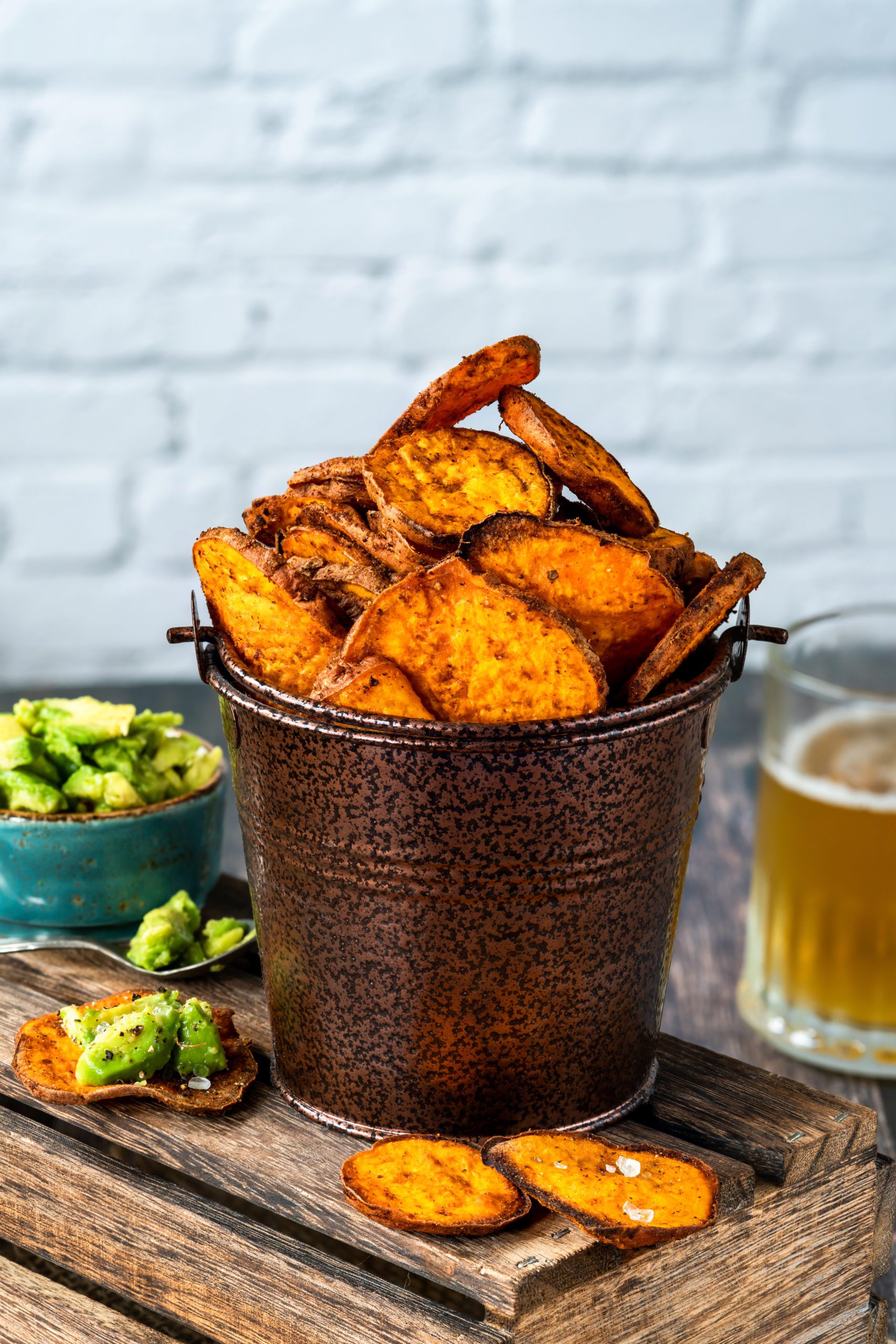
Read this BLOG to learn how chips can be a healthy food choice
THE NON-DIET APPROACH and INTUITIVE EATING FRAMEWORK
.
The Non-Diet Approach is an evidence based method that teaches you how to eat in a way that is attuned to your body’s needs. This is intuitive eating. You were born eating intuitively; no one needs to know how much food to give a baby or a child. Intuitive eating means trusting your body with when, what and how much to eat, as explained in detail below. There is no need to track calories or macros and you can kiss those tracking apps goodbye!
It’s not unusual to find you’ve become disconnected from your natural hunger and fullness signals. This appetite disconnect occurs as a result of dieting, irregular eating patterns or busy lifestyles and not listening to our body’s needs. The intuitive eating framework will help you reconnect with your appetite signals. It will allow you to recognise when you’re genuinely hungry, when you’re comfortably full and feeling satisfied.
Intuitive eating is for everybody, it is our default way of eating, how we were always meant to eat.
WHAT IS INTUITIVE EATING?
.
It is trusting your body with when to eat…
It’s not unusual to eat because it’s a mealtime, others are eating, there’s food around, or just in case, rather than because you’re hungry. If you have dieted, followed meal plans or counted calories/macros, you may have become disconnected from your hunger signals. Or if you struggle with binge eating, restrictive eating or emotional eating, this can also mess with your hunger cues. No matter the reason, we will help you reconnect with your hunger and start to trust your body again.
It is trusting your body with what to eat…
This means trusting and understanding your hunger to choose food you really feel like and that you know will satisfy. Often, it’s only once you allow yourself to eat without restriction, that you find yourself choosing nourishing food most of the time. If you have dieted, or avoided certain food for many years, you may have lost touch with what food you truly enjoy. Our dietitians will help you rediscover what food you enjoy and the pleasure of eating that food.
It is trusting your body with how much to eat…
Rather than weighing food, or using portion sizes, you will learn to trust your fullness signals to know when you’ve eaten enough. We will guide you through a series of activities to help you understand how much you need to eat to meet your body’s needs. Of course, we can offer some guidance initially, if you’re feeling really unsure.
You can download a PDF of this information here.
Click here for the numerous studies carried out using this approach.
Note: The “Non-Diet Approach” and “Intuitive Eating” are essentially the same thing. In Australia, dietitians can qualify with the Non-Diet Approach and then use the Intuitive Eating framework as part of their practice.
Is intuitive eating suitable for me?
Whether you are looking to improve your relationship with food, or just fine tune your eating, intuitive eating can help. You won’t be asked to restrict food or follow a meal plan. The intuitive eating framework is suitable if you need assistance with any of the following:
- Weight concern
- Yoyo dieting
- Feeling unhappy with your body
- Non-hungry eating, emotional eating
- Disordered eating or binge eating
- Diagnosed BED or OSFED
- General health & fitness
- PCOS
- Pregnancy
- Women’s health and men’s health
- Low energy levels
- High cholesterol, blood sugar or impaired glucose tolerance
- Any diet related medical condition
Key Aims of The Non-Diet Approach & Intuitive Eating
>
- Heal your relationship with food
- Heal your relationship with your body
- Reduce or resolve non-hungry eating or binge eating
- Enjoy all food without feeling shame
- Enjoy eating out freely without worrying about what to eat
- Move from a place of body discomfort to body comfort
- Get you back in tune with your appetite and trusting your body with when, what and how much to eat
- Get you off the dieting merry-go-round and out of the cycle of weight loss and weight regain
- Eat in a way that is both nourishing and pleasurable and that can support any health issues you may have
Mindful eating
Mindfulness, or awareness, is a fundamental ingredient in the Non-Diet Approach. The process involves mindful eating practises where your homework is to eat and enjoy your favourite food! We will also discuss mindfulness as a powerful tool much more broadly.
Do you struggle with sugar cravings?
Most people find their sugar cravings either stop or are much more manageable once they start eating more intuitively. Why? Sugar cravings can occur because you don’t eat enough food, or you restrict carbohydrate rich food. Once you understand this (we will explain using helpful analogies), you will discover you can enjoy sweet food without binging. In time, you will most likely find your sugar cravings lessen.
Meal plans
You are not asked to follow a meal plan, weigh food portions or keep a food diary. If you have tried any of these without long-term success, the intuitive eating approach may just be what you’re looking for.
It’s really normal to be confused about what or how much to eat, after all, there’s so much conflicting information. And what does moderation really mean? You will learn this through the process of learning to eating more intuitively. Our dietitians will happily provide recipes and meal ideas to guide you initially if you feel you need them.
The main reason we rarely use meal plans, is they end up being another form of dieting. If you have ever lost weight using a meal plan, be that from a dietitian, or the internet, and you’ve regained the weight, then this is no different to dieting. Having used meal plans through the earlier years of my practice, and seen my clients go through this, I am now a firm believer that meal plans are the not answer for the majority of people. There are some circumstances where they may be necessary, but for most people they simply aren’t.
A struggle with food is a struggle with life.
Given we need to eat several times per day, every day for our entire life, wouldn’t you prefer food to be a pleasurable experience you look forward to? When you make eating about weight loss, calories or nutrients, eating can become isolating, dull, joyless and anxiety provoking. This can happen even when the food is food you typically enjoy. Wouldn’t you prefer your eating experience to leave you feeling energised and satisfied?
The pleasure we receive from food is one of the reasons humans have been such a successful species, if eating wan’t pleasurable we probably wouldn’t have gone to such efforts to seek out food and the human race would not have prospered as it has. Denying pleasure from food and eating is denying one of our most basic human needs.
The other key problem with pursuing weight loss, is that the human body is carefully designed to defend against losing weight. To actively lose weight, you need to reduce your energy intake by an amount that tips your body into starvation mode. Our bodies are carefully designed to survive famine and once the body goes into starvation mode, various physiological mechanisms kick into place to prevent starvation. One of these mechanisms is the slowing down of our metabolism which causes weight loss to plateaux, before eventually the regain occurs. Over time, many people actually end up heavier through dieting. If you find it difficult to lose weight and keep it off through dieting or food restriction, then you are a successful human. You simply can’t force the body into permanent weight loss. People don’t fail diets, diets fail people.
Are you someone who eats emotionally?
Emotional eating is neither a good thing nor a bad thing, it’s simply eating in response to an emotional state or unmet need. Emotional eating is also part of normal eating, it’s not something pathological that you need to avoid.
People who struggle with emotional eating are often engaging in some type of food restriction. This could be restricting total food intake, specific food or a mindset where you think you shouldn’t be eating something. Research shows dieters, or people who restrict food, tend to turn toward food in times of heightened emotion, while non-dieters tend to turn away from food.
Perhaps it’s time for you to try a new and enjoyable approach to health that allows you to be the expert of your body and to know what is best for you. At love what you eat, our dietitians will help you stop struggling with food and help you build a positive relationship with food and your body.